Red or purple chromaturia is a side effect of hydroxocobalamin, typically resolving over several weeks.2 Additional causes of red urine include blood (e.g., traumatic catheterization, malignancy, infection), dietary ingestion (e.g., beets), and medications (e.g., rifampin, phenothiazines).3 Although benign and not warranting further evaluation by itself, hydroxocobalamin-induced discolouration of body fluids may interfere with colorimetric sensors
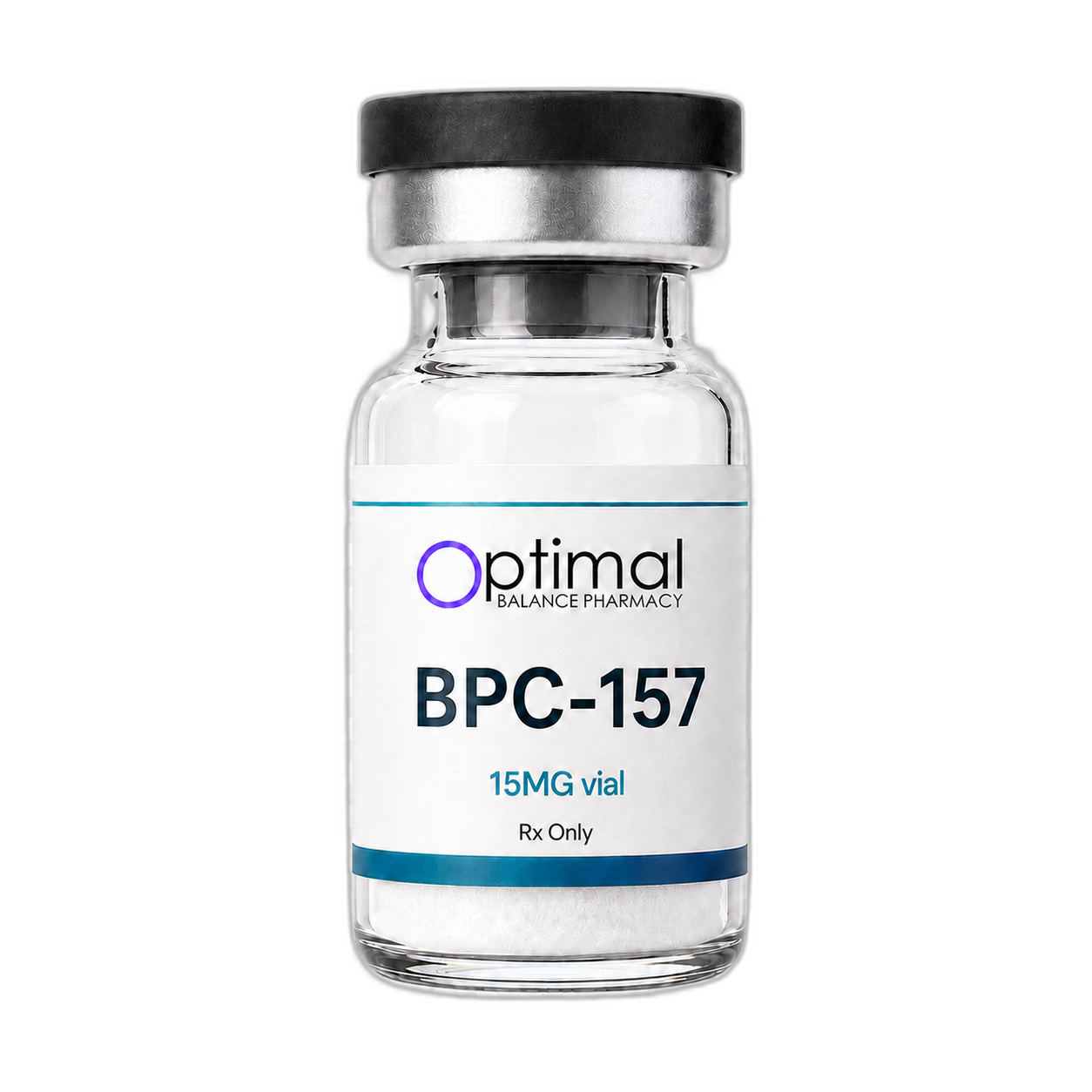
Preclinical evidence strongly indicates that BPC-157 modulates this critical signaling pathway, leading to a cascade of downstream effects essential for tissue repair (Sikiric et al., J Physiol Paris , 2012)
Lab monitoring is mainly pathway-based because routine clinical monitoring standards are not established for this peptide
The ordering process is simple, the supplies are high quality, and the instructions are easy to follow