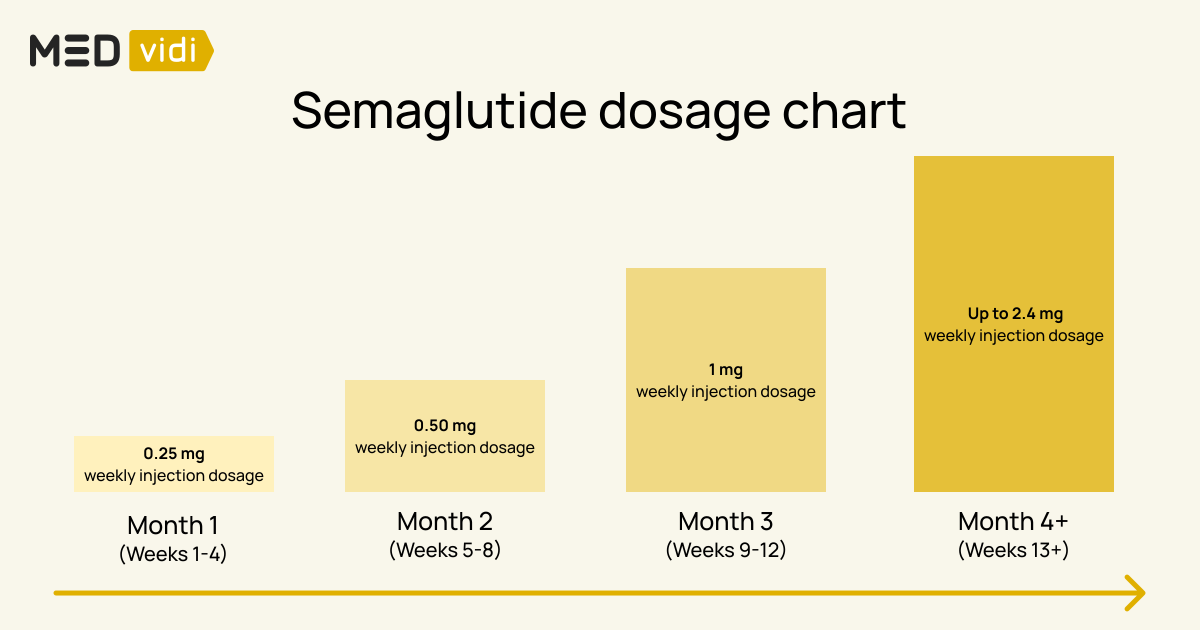
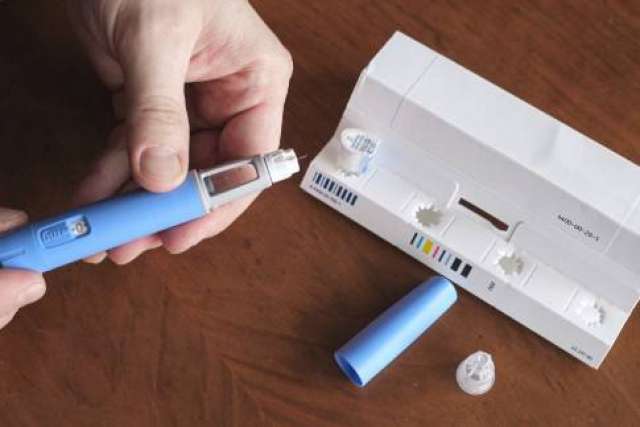
The clinical research demonstrates that Semaglutide, which mimics the in vivo biological activity of the gut hormone GLP-1, act[s] as a satiety factor peripheral administration of GLP-1 inhibits food intake. The causal mechanism responsible for GLP-1s satiating effects is its signaling activity on the web of hormones responsible for the feeding impulse: In addition, interventricular injections of GLP-1 inhibit food intake, independent of the presence of food in the stomach or gastric emptying the synergistic actions of GLP-1 in the gut and brain, acting on both central and peripheral receptors that [are] responsible for the effects of the hormone on satiety. Academic References Semaglutide for weight loss. Accessed via Effects of GLP-1 on appetite and weight. Accessed via Appetite Regulation, Neuronal Control. Accessed via Once-weekly Ozempic mechanism of action. Accessed via Once-Weekly Semaglutide in Adults with Overweight or Obesity. Accessed via Contraindications Per pharmaceutical guidelines, individuals with certain health conditions should avoid Semaglutide

Many people on GLP-1 medications dont feel hungry enough to eat regular meals, making it easy to consume too little protein, fibre, or essential vitamins and minerals
Pharmacokinetics, safety, and tolerability of oral semaglutide in subjects with hepatic impairment
GLP-1 medications like Ozempic, Wegovy, Mounjaro and Zepbound mimic or enhance this hormone to support appetite and blood sugar control