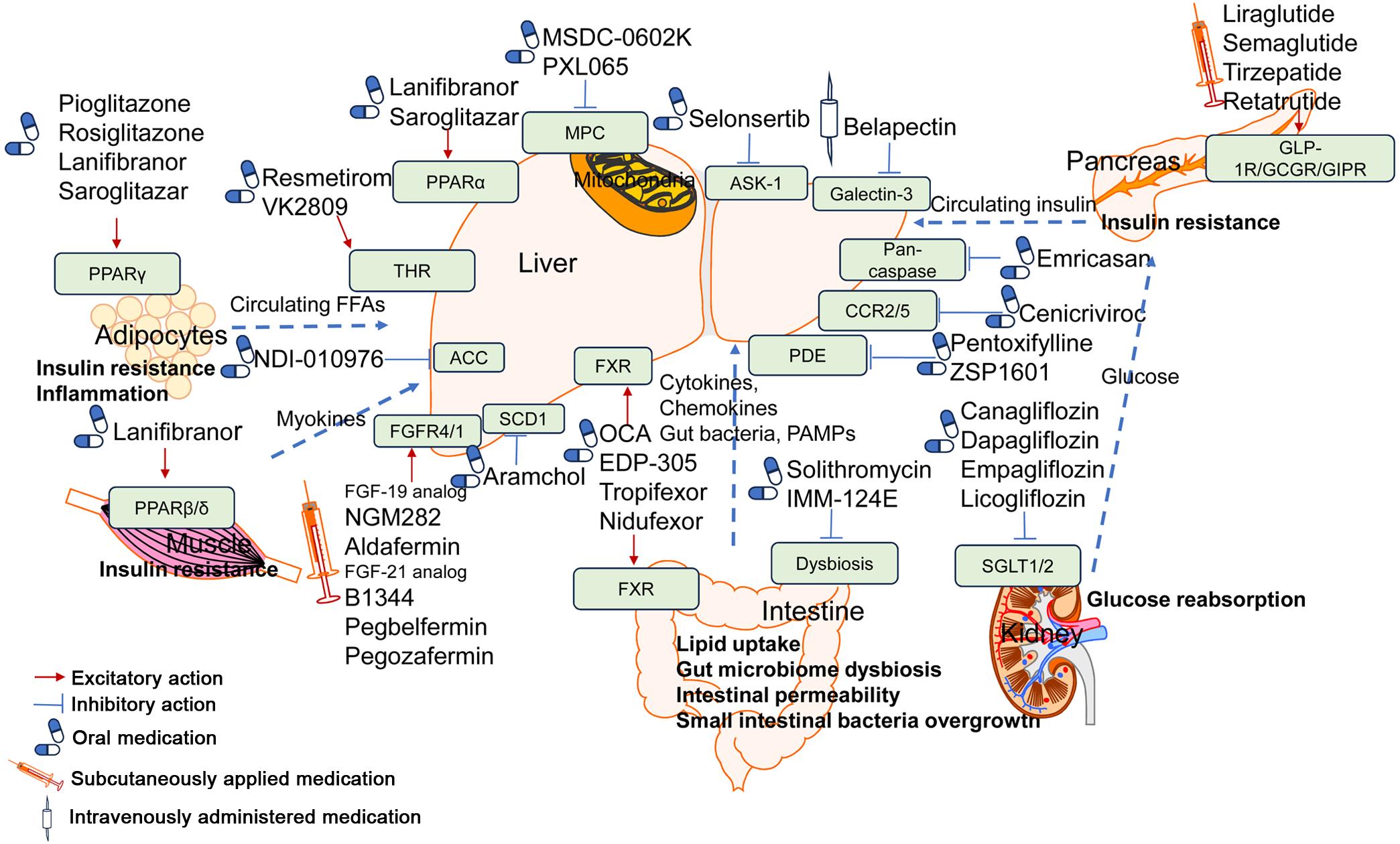
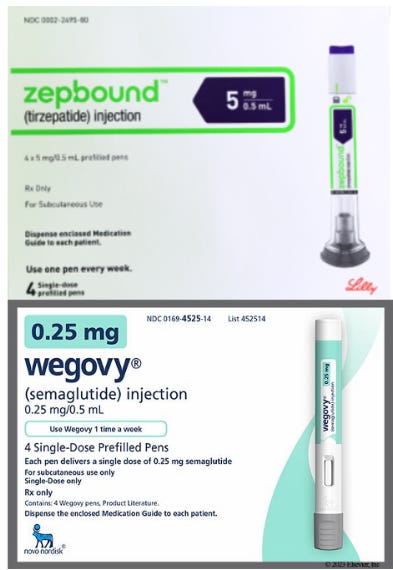
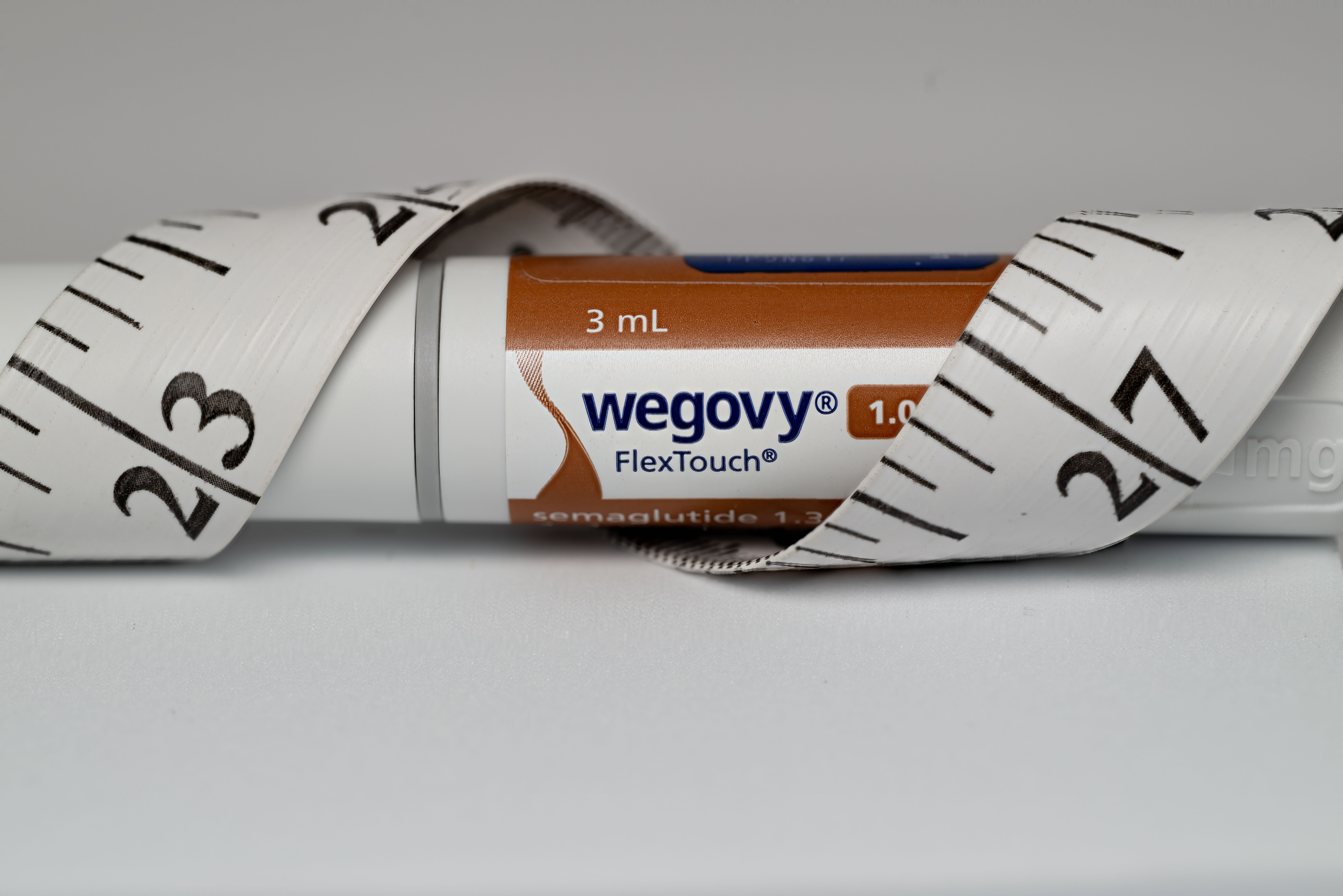
Which means it is possible, in principle, to design molecules that produce the parts of the GLP-1 effect that you want (appetite suppression, glycemic control, cardiovascular benefit) while minimizing the parts that you do not (gastrointestinal misery, certain forms of receptor downregulation, possibly some of the off-target effects we are still characterizing)

In Chinese kale, these genes exhibit tissue-specific and developmental regulation, with activity peaks frequently coinciding with active glucoraphanin accumulation periods ( Building upon this core machinery, the glucosinolate pathway involves three additional enzymatic modules completing metabolic transformation: (1) CYP83A1 converts aliphatic aldoximes to thiohydroximates, (2) UGT74B1 mediates glycosylation of sulfated intermediates (requiring prior sulfation by SOT17/18), (3) the myrosinase-TGG1/2 system, in concert with epitope-specific proteins (ESPs), hydrolyzes stored glucosinolates into bioactive compounds like SFN upon tissue damage ( 3 Interindividual variability and precision response: host factors governing SFN bioavailability and efficacy The journey of SFN from dietary intake to systemic bioactivity is a complex process governed by a series of metabolic conversions and, crucially, modulated by significant inter-individual variation

Testosterone supports muscle preservation and metabolic rate while peptides address fat burning through complementary pathways
Puedo tomar L-Carnitina si consumo alcohol ocasionalmente