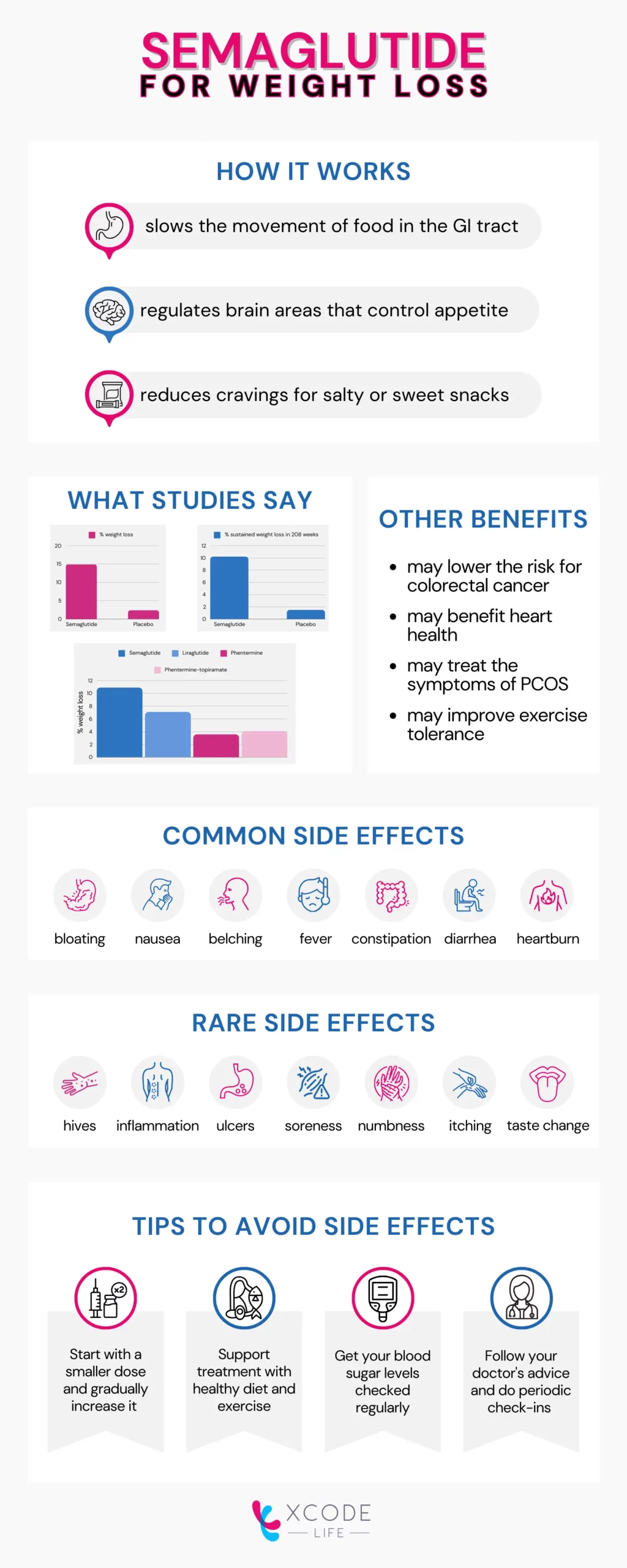
If side effects do occur, they are generally mild and may include: Pain, discomfort, swelling, or redness at the injection site Diarrhea Headache Bloating Nausea Numbness or tingling Serious side effects are rare and may include: Confusion Dizziness or fainting Muscle pain, cramps, or weakness Extreme thirst Facial flushing Frequent urination Palpitations Fatigue Difficulty breathing Coughing or noisy breathing (wheezing) Extreme pain, swelling, warmth or tenderness in one leg Difficulty swallowing Rash Itching over the body If you experience serious side effects, contact your doctor right away
All analyses were carried out with bilateral hypotheses
This mechanism amplifies existing HGF signaling rather than bypassing it: HGF Potentiation: Dihexa binds to HGF and stabilizes its active conformation, increasing c-Met receptor activation at physiologically relevant HGF concentrations Synaptogenesis: In vitro studies reported that Dihexa promoted new synapse formation at picomolar concentrations orders of magnitude more potent than BDNF in this specific assay Dendritic Spine Formation: Preclinical data suggested increases in dendritic spine density in hippocampal neurons, a structural correlate of learning and memory Oral Bioavailability: Unlike most peptides, Dihexa's small size and peptidomimetic structure may allow oral absorption and blood-brain barrier penetration Cerebrolysin: Multi-Neurotrophic Factor Cocktail Cerebrolysin is a standardized mixture of low-molecular-weight neuropeptides and free amino acids obtained by enzymatic breakdown of porcine brain tissue

The UV index is the lowest in the winter months, which means the threat from UV rays decreases